Why Your Nervous System Needs More Than Self-Care
The Science of Stress, Co-Regulation, and Why You Can’t Do It All Alone
You’ve probably heard a version of this: “You can’t pour from an empty cup.”
But what if the real issue isn’t the cup—it’s the pressure building inside it?
If you’ve ever felt disconnected from your partner, overwhelmed by the daily mental load, or just plain touched out, your nervous system isn’t malfunctioning. It’s sending a signal. And the answer isn’t to isolate or try harder. It’s to reconnect on purpose, with the right kind of support.
Let’s talk about nervous system regulation, co-regulation in relationships, and why community (not just coupledom) is essential for resilience.
Understanding Your Nervous System
Your nervous system is always scanning for cues: Am I safe? Can I rest here? Should I be on guard?
This process, called neuroception, can shift you into fight, flight, freeze, or fawn without your conscious control. That means stress isn’t always a mindset problem. It’s often a body state problem.
And while bubble baths and mindfulness have their place, real nervous system regulation starts with recognizing when you’re dysregulated and knowing how to come back to baseline.
That return to safety? It’s not always something you can do alone.

Why Co-Regulation Builds Resilience
We were never meant to “self-soothe” through everything.
From infancy, our bodies learn what safety feels like through co-regulation, the calm presence of another person helping us come back to center. As adults, we still need that. Especially in relationships.
But many couples get stuck in stress spirals, each person waiting for the other to "just calm down" before they can feel close again.
What actually builds resilience is the ability to come back together after tension.
This is what psychologists call the cycle of rupture and repair.
Just like muscles grow through micro-tears and rest, relationships grow stronger when they can move through stress and recovery together.
The Relationship Reality
Here’s a truth most of us have to learn the hard way: your partner can’t be your everything.
In the early days of parenting, marriage, or just modern life, it’s easy to expect our person to be the safe space, the sounding board, the fixer, and the mind-reader. But that’s not sustainable—and it's often where resentment creeps in.
When one partner tries to carry both people’s emotional loads, the relationship begins to strain.
The psychology of stress and resilience teaches us that we’re more capable of handling life’s weight when we know how to distribute it—when we lean into shared tools, shared language, and shared safety.
Modern Friendships as Nervous System Support
Here’s the problem: We’re not built to do this alone, but so many couples are isolated.
In generations past, we lived near extended family. We talked with our neighbors. We raised kids in a community. Now? Most of us are parenting in silos, trying to be everything for everyone with little backup.
And while friendships still exist, many of us don’t know how to use them well.
One practice we love is asking:
“Do you have the capacity for this?”
It’s a simple, respectful way to invite support while honoring your friend’s emotional space.
Modern friendship, when done right, can become part of your nervous system regulation strategy. It's not extra—it's essential.
Repair After Relationship Conflict
If you're parenting, especially in the postpartum season, your nervous system is likely stretched thin. Sleep deprivation, identity shifts, unspoken expectations—all of it adds up.
But here’s the good news: You don’t have to be perfect. You just need a repair plan.
Here’s where to start:
Name when you’re dysregulated. (Hint: you feel stuck, shut down, or overly reactive.)
Ask your partner if they have the capacity before unloading.
Make repair a normal part of your rhythm. It might sound like, “Hey, that didn’t go how I wanted. Can we circle back?”
Expand your support system. Friends, mentors, coaches, and even structured conversation tools help.
🎁 Ready for a practical, low-pressure place to start?
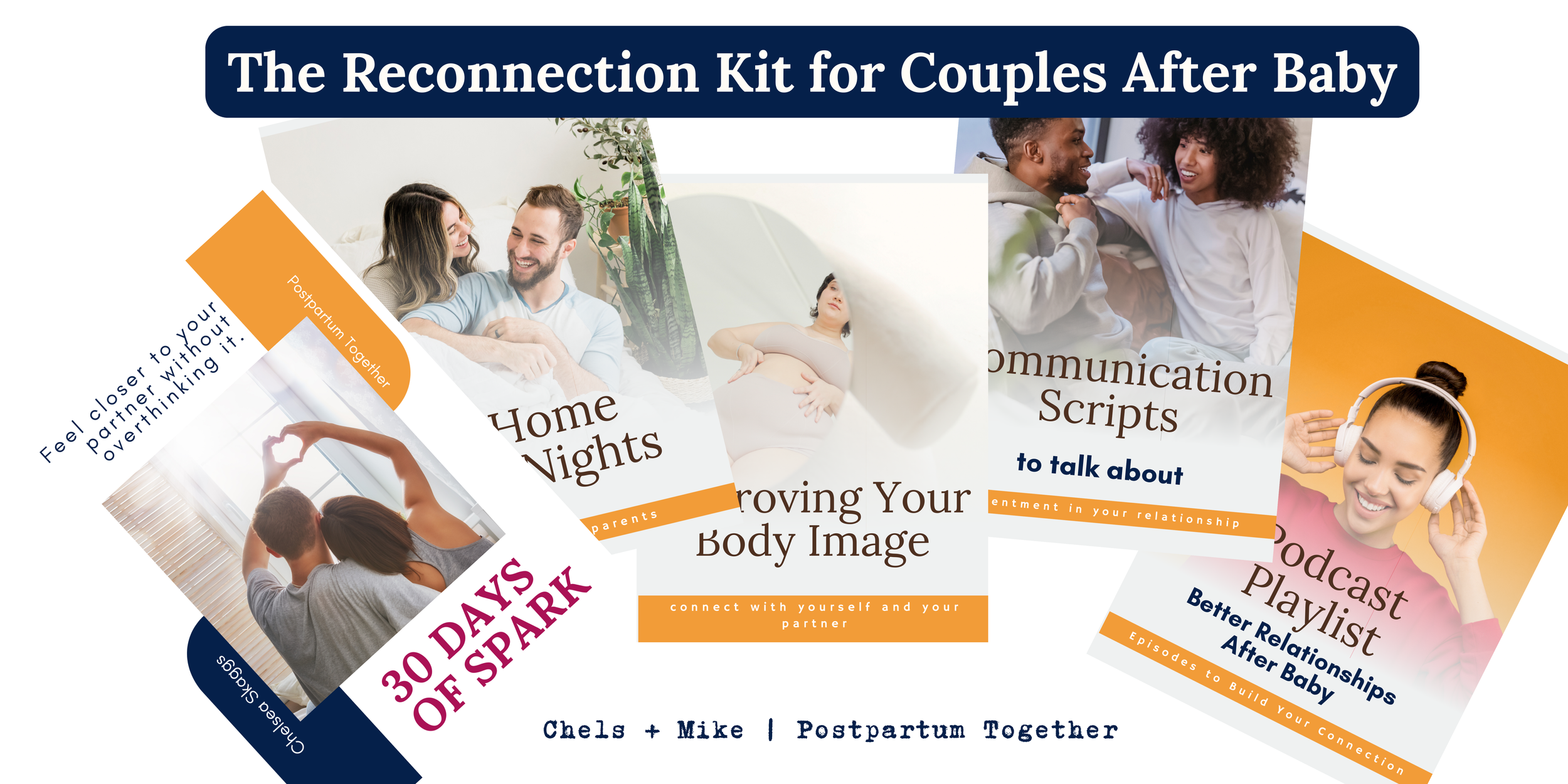
Download our free Reconnection Kit for Couples—it includes 8 simple communication scripts that take the guesswork out of what to say and when.
Because healing doesn’t happen in silence. It happens when we learn to speak safety to each other.