Mental Load in Marriage and Motherhood
When You’re the One Holding It All Together
You’re the one keeping everything running…
You’re not imagining it.
You’re likely carrying the mental load.
The mental load is the invisible responsibility of:
remembering
planning
anticipating
organizing
managing
It’s what keeps your home and family functioning.
And in a lot of relationships, one person ends up carrying most of it.
That’s where the exhaustion comes from.
That’s where the resentment builds.
That’s where couples start to feel more like roommates than partners.
This page is your place to understand what’s happening—and what to do about it.
Start here if you’re tired of carrying it all →
Get the Mental Load Bundle
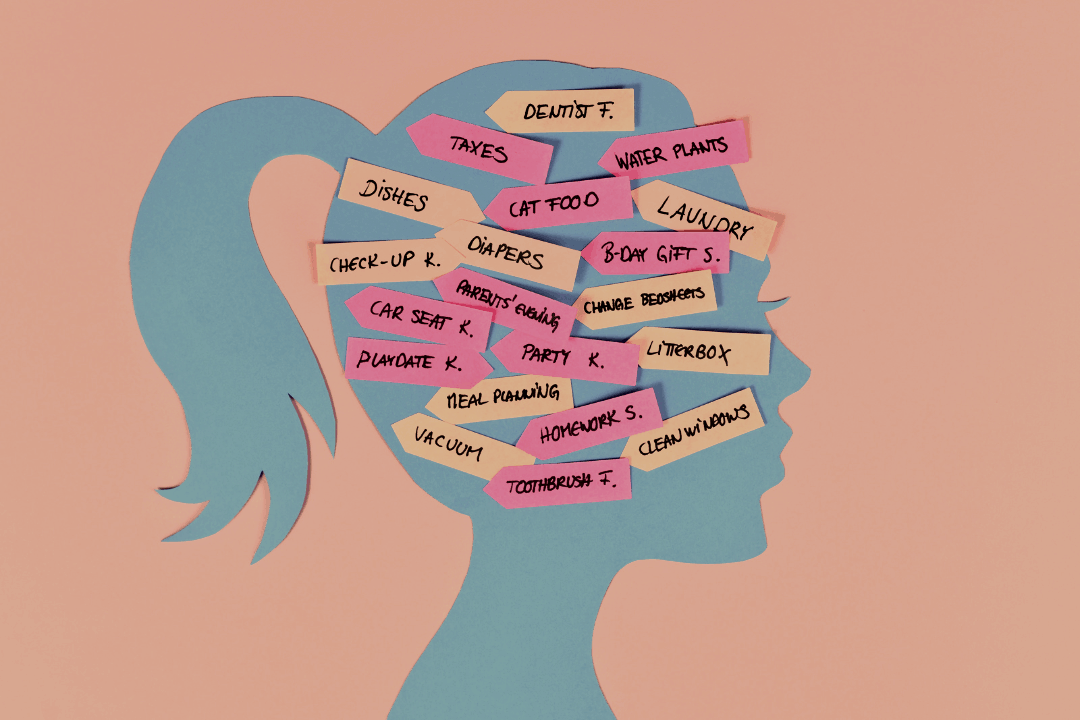
What Is the Mental Load?
👉 This isn’t about doing more. It’s about being the one responsible for everything getting done.
It’s about being responsible for thinking about them in the first place.
It’s:
knowing what needs to happen
deciding when it needs to happen
making sure it actually gets done
If you’ve ever felt like:
“If I don’t think about it, it won’t happen”
That’s the mental load.
Signs You’re Carrying the Mental Load
You might be carrying the mental load if:
You’re the one who notices everything
You feel like the “manager” of your home
You delegate but still feel responsible
You can’t mentally turn off
You feel resentful—but also guilty for feeling that way
You’re constantly thinking three steps ahead
This isn’t about being “better at it.”
It’s about a pattern.
Start here (don’t overthink it)
If you’re reading this and thinking
“yeah… this is exactly what’s happening”
This is your next step.
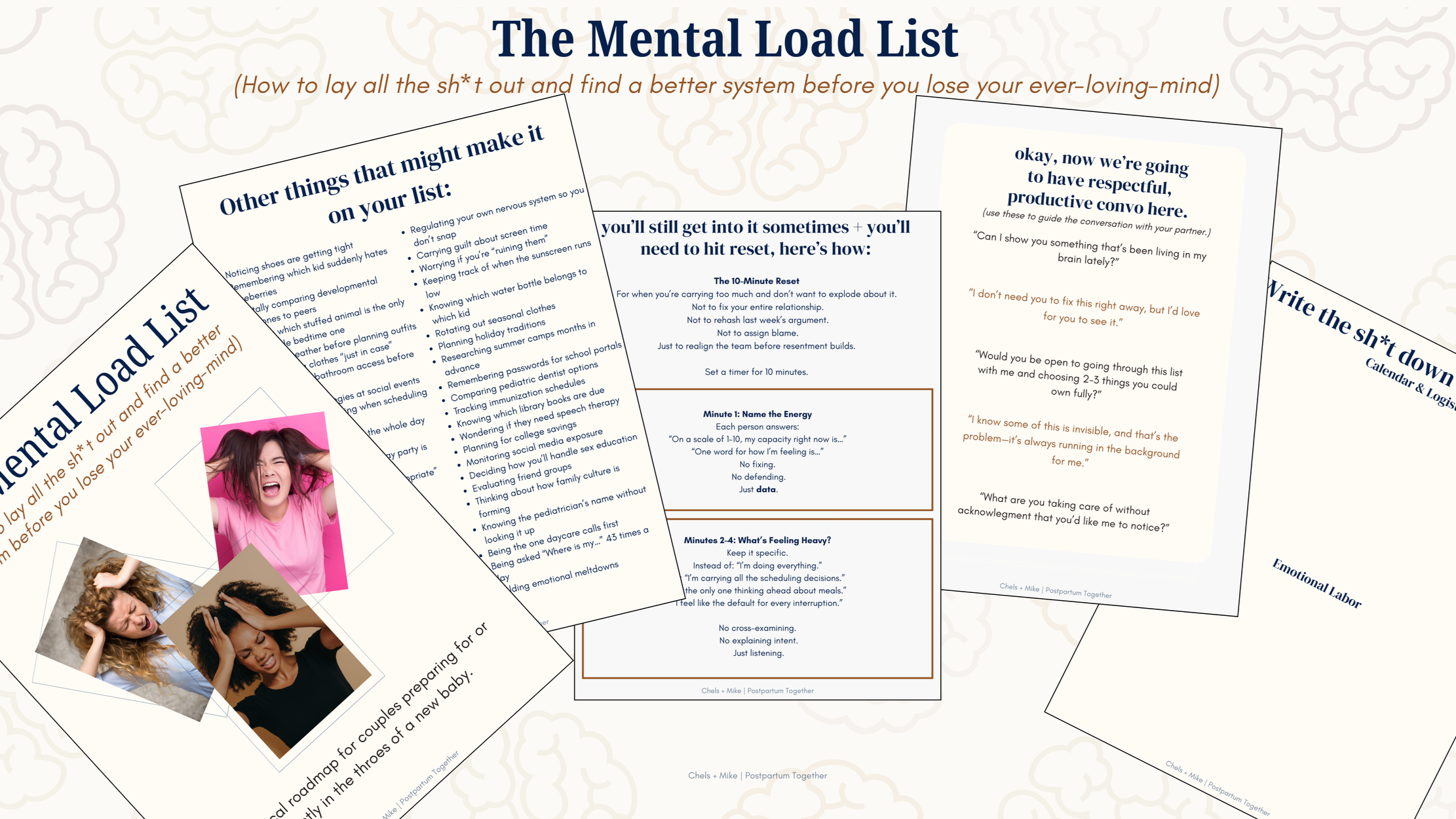
Mental Load Checklist + Conversation Guide
See everything that’s actually being carried
Stop vague arguments and name specifics
Create a plan that doesn’t rely on reminders or resentment
$4.99
How the Mental Load Shows Up in Real Life
The mental load isn’t always obvious.
It shows up in everyday moments like:
vacations that don’t feel like a break
holidays that feel overwhelming instead of joyful
constantly being asked what needs to be done
feeling like you’re managing everything instead of sharing it
If you’ve ever thought:
“Why am I the only one thinking about this?”
You’re not alone.
How to Start Sharing the Mental Load
This doesn’t change by:
trying harder
doing more
explaining it again and again
👉 Nothing changes until it stops being ‘helping’ and becomes actual ownership.
That looks like:
each person owning full areas of responsibility
fewer reminders and less managing
clear expectations
regular check-ins
systems that support both of you
If you’ve looked into tools like Fair Play, that’s a great place to start.
But most couples need more than just a system.
They need a way to actually function as a team. That’s where Postpartum Together comes in to help you.
If you’re hesitating:
You don’t need to overhaul your whole relationship.
You just need a place to start that doesn’t turn into another argument.
That’s what this is.
$4.99 • takes 10 minutes to start
Further Reading Based on What You’re Feeling
Want to read more about the mental load + how it impacts parents and partners?
Start with what feels most true right now:
“How does the Mental Load Impact Motherhood and Marriage?”
→Mental Load in Motherhood and Marriage: What It Is + How to Share It Better
“I feel overwhelmed and unseen”
→What Is the Invisible Load in Motherhood?
“I feel like being the at-home parent makes me the 24/7 default”
→ Why Stay-at-Home Moms Need a Job Description
“My partner wants to help but doesn’t know how”
→ 7 Ways Men Can Be Better Partners at Home (Without Being Told What to Do)
“We’ve tried splitting things and it still doesn’t work”
→ What Is the Fair Play Method in Marriage? (And Does It Actually Work?)
“This shows up in real life all the time”
→ Why Family Vacations Feel Like More Work for Moms
“I want to raise my kids differently”
→Teaching Kids Responsibility at Home: How to Teach the Mental Load
When You Need More Personalized Support
If you’re reading this and thinking:
“We’ve talked about this… and we’re still stuck”
That’s incredibly common.
Because this isn’t just about tasks.
It’s about:
communication
patterns
expectations
how you navigate stress together
Inside Back to Us, we help couples:
break out of the mental load cycle
rebuild connection
create a version of teamwork that actually works
You’re not doing it wrong.
You’ve just been carrying something that was never meant to be carried alone.
And the goal isn’t to do it all better.
It’s to stop doing it all by yourself.
If you’ve made it this far…
You don’t need more information.
You need something that actually helps you do this differently.
This is a simple place to start.
Mental Load Checklist + Conversation Guide
See everything that’s actually being carried
Turn vague tension into clear conversations
Create a plan that doesn’t rely on reminders or resentment
$4.99 • Instant download