The Classes Every First-Time Parent Should (and Shouldn't) Prioritize
If you're expecting your first baby, you've probably asked yourself: "What classes should we actually take?"
Between childbirth education, breastfeeding classes, newborn care, infant CPR, hypnobirthing, Bradley Method, and hundreds of opinions online, it's easy to feel like preparing for a baby has become a full-time job. I had spreadsheets.
The good news? You don't need to take every class.
The better news? Some forms of preparation will make a far bigger difference than others.
How to Prepare for a Baby
As a relationship coach who works with expecting couples, I encourage parents to prepare in two ways:
Learn how to care for your baby.
Learn how to care for your relationship while you're caring for your baby.
Let's walk through the classes that are actually worth your time, and the one kind of preparation almost every couple overlooks.

1. Take a Childbirth Class, But Choose One Intentionally
Many couples automatically register for the childbirth class offered by their hospital.
Hospital classes can absolutely be helpful.
They'll often teach you:
What happens during labor and delivery
When to come to the hospital
Where to park
Pain management options
Common hospital procedures
If you're feeling anxious about giving birth, simply becoming familiar with the environment can reduce a lot of uncertainty.
But here's the question most couples never ask:
What do you actually want to get out of your birth class?
Different classes have very different goals.
Hospital Childbirth Classes
Best if you want to understand your hospital's procedures and what to expect during delivery.
Lamaze
Today's Lamaze classes are about much more than breathing exercises. They often include:
Movement
Positioning
Comfort measures
Labor support
Informed decision-making
Hypnobirthing or Hypnobabies
These methods focus on:
Relaxation
Visualization
Reducing fear around birth
Mental preparation
They're especially helpful for parents who know stress causes them to tense up physically.
Bradley Method
The Bradley Method is highly partner-focused and traditionally prepares couples for an unmedicated birth.
Many couples love how team-oriented it feels because it gives partners an active coaching role throughout labor. This was our method of choice, but I don’t see it talked about as often as some of the others.
Independent Childbirth Classes
Many doulas, nurses, midwives, and childbirth educators teach independent classes that allow more time for topics like:
Physiological birth
Epidurals
Induction
Cesarean birth
Comfort techniques
Birth advocacy
What happens when birth doesn't go according to plan
The best childbirth class isn't the one promising a "perfect birth."
It's the one that helps you understand your options, feel informed, and confidently adapt when birth takes an unexpected turn.
2. Take an Infant CPR Class
If I had to recommend only one practical safety class, this would be it.
Hopefully you'll never need it.
But if you do, you don't want your first lesson to come from a frantic Google search with a deep pit in your stomach.
Look for a class that includes hands-on practice with:
Infant CPR
Choking relief
When to call 911
What to do while waiting for emergency responders
Some classes also include safe sleep and household safety, making them an excellent investment for first-time parents.
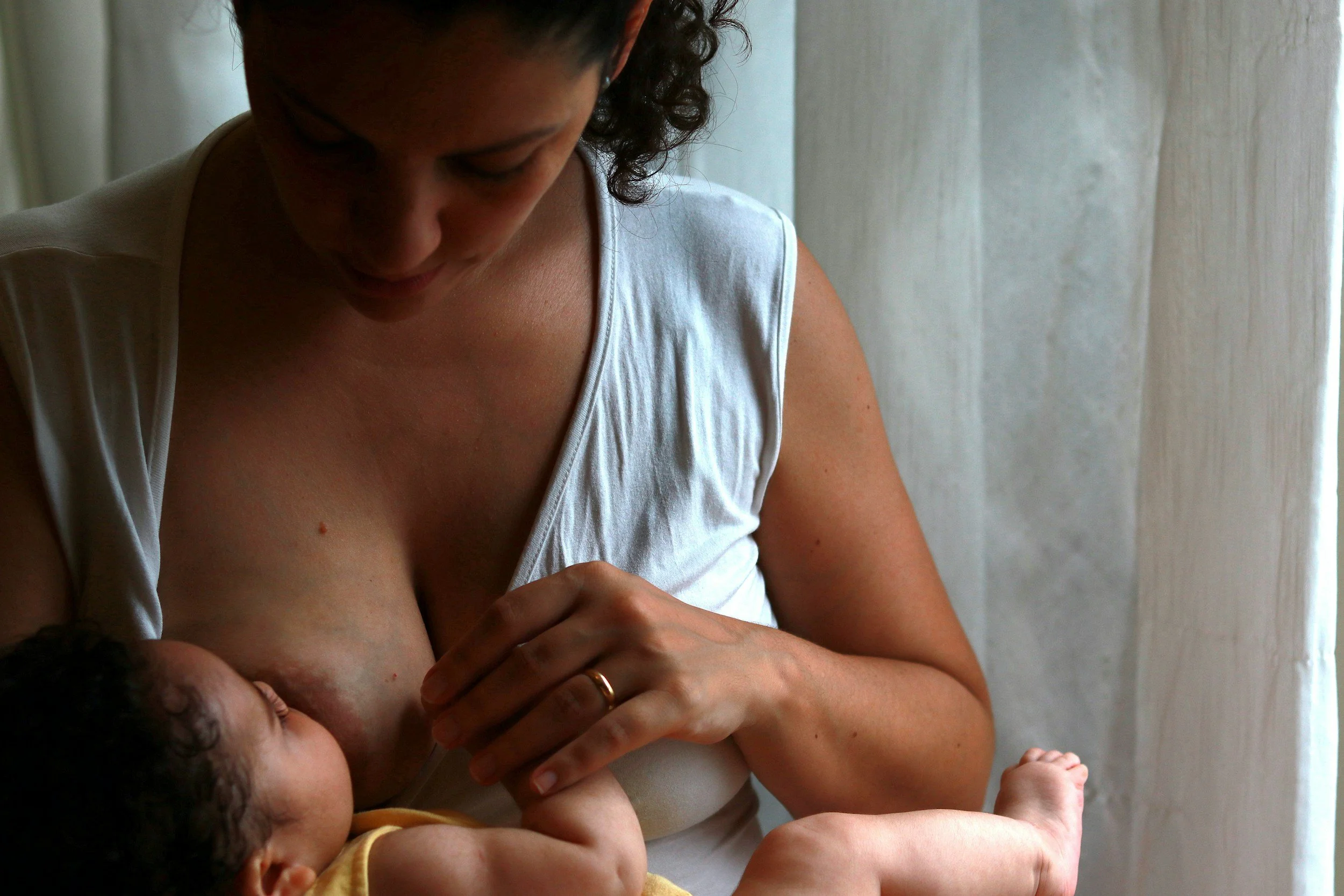
3. Find Lactation Support Before Baby Arrives
Whether you plan to breastfeed, pump, combo feed, or simply want to keep your options open, don't wait until you're struggling to figure out who to call. This is someone you want to feel comfortable with and establishing that before can make a huge difference.
Instead, identify a lactation professional during pregnancy.
That might be:
An IBCLC (International Board Certified Lactation Consultant)
Your hospital's outpatient lactation clinic
Your pediatrician's feeding support program
A home-visiting lactation consultant
A virtual provider
Preparing ahead doesn't mean you're expecting feeding to go poorly.
It simply means you've removed one barrier to getting help if challenges arise.
The best feeding support helps you feed your baby and protects your well-being—not just one definition of success.
4. Consider a Newborn Care Class
If you've never cared for a newborn before, this class can dramatically reduce anxiety during those first weeks. And even if you have been a nanny like I once was, there’s just a difference with a teeny tiny newborn in your arms.
Topics often include:
Diapering
Bathing
Umbilical cord care
Feeding cues
Swaddling
Taking a temperature
When to call your pediatrician
Just as importantly, these classes teach what normal newborn behavior actually looks like.
Because newborns are noisy.
They grunt.
They twitch.
They breathe in ways that convince exhausted parents that something must be wrong.
Learning what's normal can prevent a lot of unnecessary panic.
The Class Couples Didn’t Know Existed but Wish They Had
Here's the pattern I see over and over again.
Couples spend hours learning how to swaddle a baby.
Almost no time learning how to handle the 3 a.m. disagreement about whose turn it is to wrap the damn swaddle and get the baby to sleep.
They learn how to time contractions.
But they never talk about what happens when both people are exhausted and convinced they're already doing everything they can.
They make a birth plan.
They don't make a relationship plan.
And that's the preparation I wish every expecting couple prioritized.
How to Prepare Your Relationship Before Baby Arrives
Before your baby is born, talk about things like:
Nights
Who gets up when?
How will feeding work?
How will each of you protect the recovering parent's sleep?
Mental Load
Who will notice when:
Diapers are running low?
Baby clothes need sized up?
Pediatric appointments need scheduled?
The diaper bag needs restocked?
Equal parenting isn't about splitting every task 50/50.
It's about both people sharing responsibility for noticing, planning, and following through.
Stress Responses
Ask each other:
What do you do when you're overwhelmed?
Do you shut down?
Become controlling?
Want to solve problems immediately?
Need time to think?
Understanding these patterns before you're sleep deprived makes repair much easier later.
Visitors and Boundaries
Talk about:
Family visits
House guests
Holidays
Recovery expectations
Asking for help
These conversations are much easier before everyone is exhausted.
Communication
Practice saying things like:
"I'm overwhelmed."
"Can you take over?"
"I don't need you to fix this, I just need you to listen."
These skills matter just as much as learning to swaddle.

The Best Preparation Is Team Preparation
There isn't a class that guarantees an easy postpartum experience.
You're still going to be tired.
You're still going to misunderstand each other.
You're still going to have difficult days.
But you can recognize unhealthy patterns earlier.
You can repair faster.
And you can build a relationship that stays strong while you're learning how to become parents together.
That's exactly why I created Prep for Us.
Instead of focusing only on how to care for a baby, we prepare the two people raising that baby.
Inside Prep for Us, couples learn how to:
Navigate stress together
Divide the mental load
Communicate during conflict
Clarify roles and expectations
Stay connected during one of life's biggest transitions
Because your baby deserves more than prepared parents.
They deserve parents who know how to be a team.
Frequently Asked Questions About Classes While Pregnant
What classes should first-time parents take?
The most valuable classes include childbirth education, infant CPR, newborn care, and breastfeeding support. Just as importantly, couples should prepare for the relationship changes that come with becoming parents.
Is a hospital childbirth class enough?
Hospital classes are excellent for understanding your hospital's procedures, but many couples also benefit from independent childbirth education that explores comfort techniques, advocacy, and birth options in greater depth.
Should I meet with a lactation consultant before giving birth?
Yes. Even if you never need additional support, knowing who to call before challenges arise can reduce stress during those early postpartum weeks.
How can couples prepare their relationship before having a baby?
Talk about expectations, communication, mental load, stress responses, nighttime responsibilities, visitors, and how you'll support one another during recovery. Relationship preparation is one of the most overlooked parts of pregnancy—and one of the most important.
